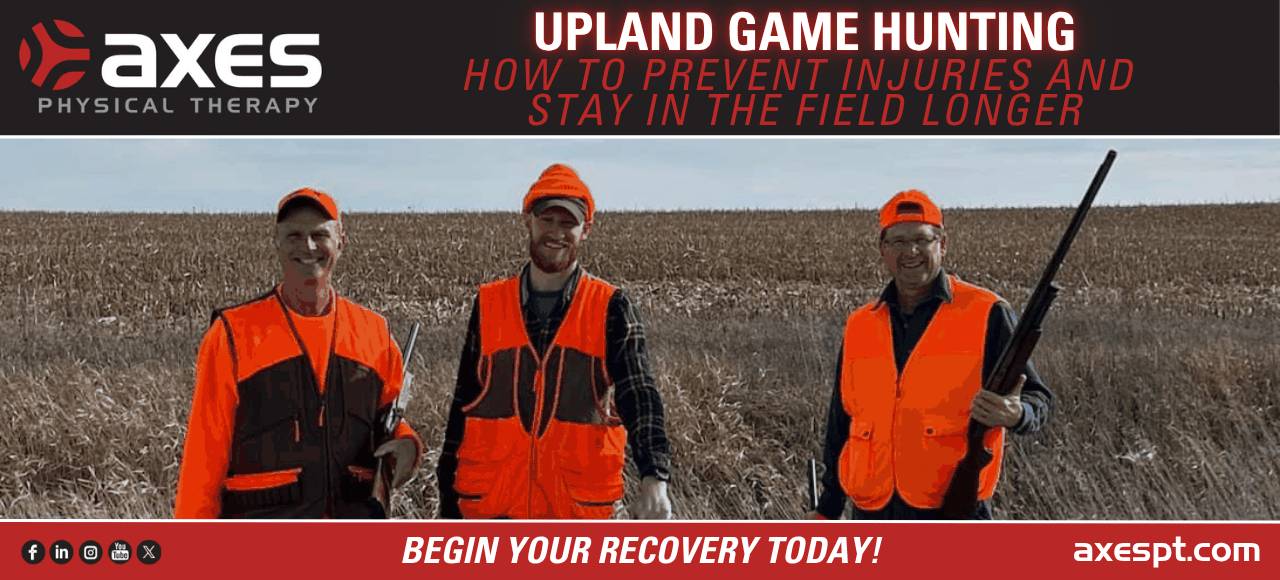
Upland Game Hunting: How to Prevent Injuries and Stay in the Field Longer
Upland game hunting is a tradition enjoyed by generations of outdoor enthusiasts. Whether you’re pursuing pheasants, quail, or grouse, spending hours walking through tall grass, thick cover, and uneven terrain can take a toll on your body.
As hunters get older, keeping up with their bird dogs, navigating difficult terrain, and staying comfortable throughout a long day in the field can become more challenging. Knee pain, hip stiffness, and back discomfort may even cause some hunters to shorten their outings or give up activities they once enjoyed.
The good news is that strength, mobility, and proper conditioning can help you continue doing what you love for years to come.
Here are some of the most important areas to focus on to help prepare your body for upland game hunting.
Why Upland Game Hunting Can Be Physically Demanding
Unlike walking on a paved trail, upland game hunting often requires moving through thick grass, uneven ground, and areas where every step takes additional effort.
Pulling your legs through heavy cover for miles at a time places significant demands on your hips, knees, and lower back. Turning your body to follow a moving bird also requires adequate mobility through your hips and spine.
When strength, endurance, or mobility is limited, these movements may become more difficult and contribute to pain or fatigue.
Targeted exercises can help prepare your body for these demands and make long days in the field more manageable.
1. Build Knee Strength for Uneven Terrain
Your knees play an important role in helping you walk through thick cover, climb hills, and navigate changing terrain.
Strengthening the muscles surrounding your knees can improve lower-body control and help your legs handle the repeated demands of hunting.
Exercises to consider include:
-
Squats: Strengthen your quadriceps and glutes to support everyday movement and walking through difficult terrain.
-
Lunges: Build lower-body strength while challenging balance and coordination.
-
Hamstring curls: Strengthen the muscles along the back of your thighs to support knee stability.
Building strength in these muscle groups can help you feel more prepared for long walks and uneven surfaces.
2. Improve Hip Strength and Mobility
Your hips work hard during upland game hunting, especially when you’re lifting your legs through tall grass, stepping over obstacles, or walking across uneven ground.
Strong, mobile hips also help support the movements needed to turn and follow a bird during a shot.
Exercises that target hip strength and mobility include:
-
Weighted box walkovers: Build lower-body strength and endurance while practicing stepping over obstacles.
-
Banded monster walks: Strengthen the muscles surrounding your hips and improve control during walking.
-
Hip flexor stretches: Improve hip mobility and address tightness that may contribute to lower-back discomfort.
Improving hip strength and mobility can make it easier to move through challenging terrain without becoming fatigued as quickly.
3. Support Your Back With Strength and Mobility
Your back plays an important role in keeping you stable while walking through uneven terrain and rotating your body during a shot.
Limited spinal mobility or decreased trunk strength can make these movements more challenging, especially after several hours in the field.
Two exercises that may help include:
-
Thoracic rotations: Improve mobility through the upper and middle back, which is important when turning your body to follow a moving target.
-
Resisted marching: Strengthen your hip flexors while challenging your trunk to remain stable, helping support control through your lower back.
The goal is to develop enough mobility to move comfortably while maintaining the strength and control needed for demanding outdoor activities.
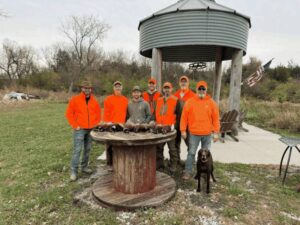
How Physical Therapy Can Help You Stay in the Field
If you’re experiencing pain, stiffness, or fatigue while hunting, you don’t have to simply accept it as part of getting older.
A licensed physical therapist can evaluate your strength, mobility, balance, and movement patterns to identify limitations that may be affecting your ability to hunt comfortably.
Depending on your individual needs, physical therapy may include:
-
Strengthening exercises for your knees, hips, and back
-
Mobility and flexibility training
-
Balance exercises for uneven terrain
-
Endurance and conditioning exercises
-
An individualized home exercise program
Whether you’re recovering from an injury or looking to improve your conditioning before hunting season, physical therapy can help you prepare for the physical demands of the field.
Keep Hunting for Years to Come
Upland game hunting is about more than the miles you walk. It’s about enjoying the outdoors, spending time with your bird dogs, and continuing a tradition you love.
Taking care of your body can help you continue enjoying those experiences for years to come.
At Axes Physical Therapy, our therapists can help you address pain, improve strength and mobility, and develop a personalized plan to keep you active.
With convenient locations throughout Greater St. Louis, Southern Illinois, Mid-Missouri, and surrounding communities, expert care is close to home.
Want to stay in the field longer? Schedule an appointment with Axes Physical Therapy today and take the next step toward a stronger, more comfortable hunting season.