Patients throughout Labadie, MO often seek out plantar fasciitis treatment at our clinics to manage persistent heel discomfort. The condition occurs when the plantar fascia becomes overstressed and inflamed, typically from long hours on your feet, improper footwear, or muscle tightness. Effective treatment often includes physical therapy, customized stretches, arch support, and shoe modifications to ease symptoms and encourage recovery.
In Labadie, MO, Axes Physical Therapy focuses on customized, full-body care for those suffering from plantar fasciitis. No matter if you’re constantly on your feet, training for a race, or just trying to get through the day without heel pain, we’re here to help you move freely again.
To take the first step toward relief, schedule online, contact a nearby clinic, or drop in for a free injury screening—we’re ready to help.
What You’ll Learn in This Guide:
- Plantar fasciitis is a common source of heel pain caused by inflammation in the arch-supporting tissue.
- Physical therapy is one of the most effective ways to relieve pain and speed up healing—without surgery.
- Treatment includes targeted stretches, strength-building exercises, hands-on manual therapy, custom orthotics, and guidance on movement adjustments.
- Early intervention makes recovery faster and more successful, with most people seeing improvement within 6–8 weeks.
- In Labadie, MO, Axes Physical Therapy delivers individualized care with expert therapists and supportive guidance.
What Is Plantar Fasciitis and What Causes It?
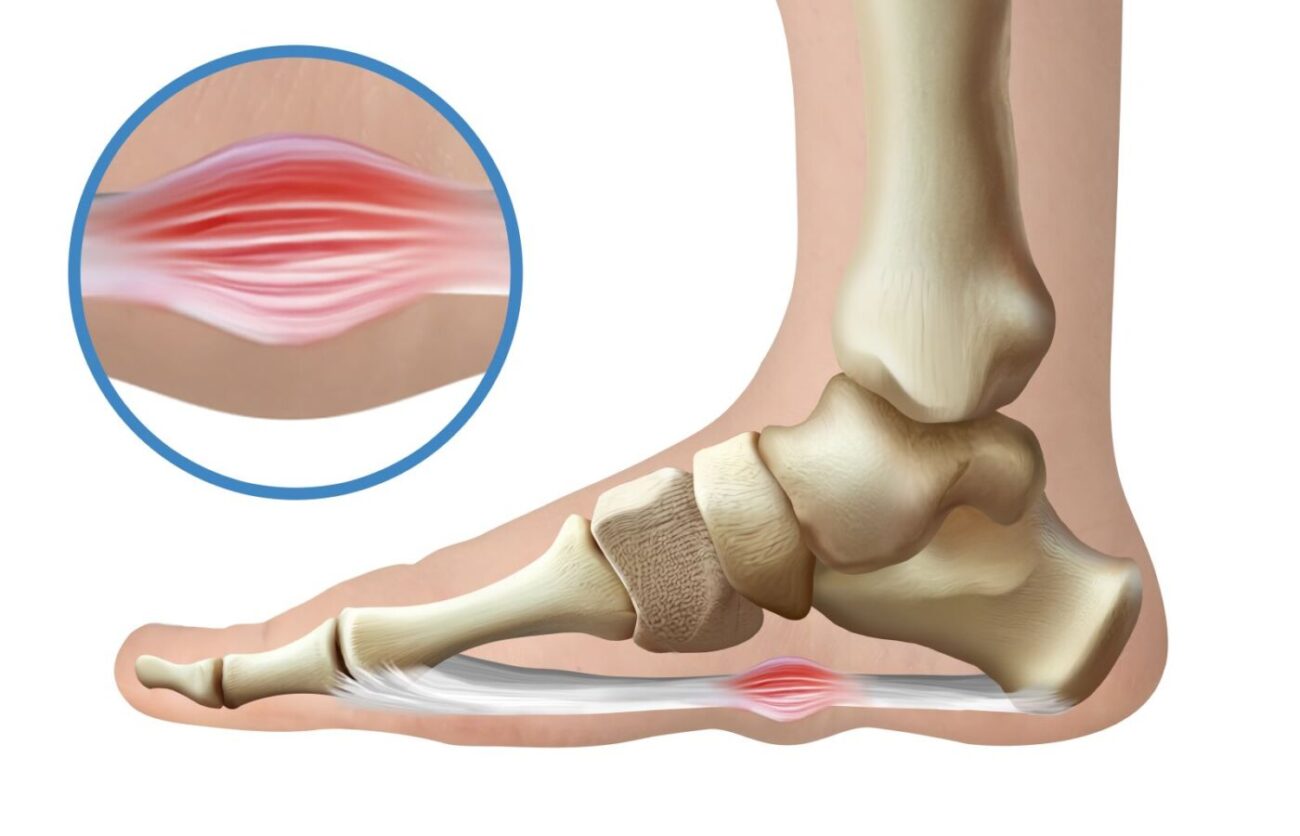
Plantar fasciitis is one of the most common causes of heel pain, and it happens when the plantar fascia—the strong band of tissue that runs along the bottom of your foot—becomes irritated, inflamed, or even slightly torn. This band acts like a shock absorber and supports the arch of your foot. However, overuse or poor mechanics can lead to tiny tears and ongoing inflammation and pain.
Patients often report stabbing pain in the heel upon waking or after long periods of inactivity. The discomfort can lessen after some movement but usually returns later in the day with use.
Multiple lifestyle and structural factors contribute to plantar fasciitis rather than one specific cause. These include:
- Overuse or repetitive stress — A typical cause for runners and those in Labadie, MO with jobs that involve long hours on their feet.
- Foot structure issues — Flat feet, high arches, or abnormal walking patterns that put extra strain on the fascia.
- Wearing the wrong shoes — Footwear without proper arch support or cushion can aggravate heel pain.
- Tight muscles — Limited flexibility in your calves or Achilles tendon puts extra strain on the plantar fascia.
- Age and weight — Adults over 40 and individuals with a higher body weight are more prone to plantar fasciitis.
The good news? With the right combination of treatment and support, most people can recover without surgery—and physical therapy is one of the most effective ways to get lasting relief.
FAQs About Plantar Fasciitis
- How long does plantar fasciitis take to heal?
Recovery often begins within several weeks of treatment, but full resolution may take a few months depending on how severe the condition is. - Can plantar fasciitis go away on its own?
While it sometimes resolves over time, plantar fasciitis often persists without focused treatment. PT is a proven way to shorten recovery and avoid chronic pain. - What are the best shoes for plantar fasciitis?
Look for shoes that offer firm arch support, a cushioned sole, and a snug heel fit. Skip styles with thin soles or no structure. - Is walking or running okay with plantar fasciitis?
Light walking may help, but high-impact activities like running should be paused until pain improves. A PT can guide safe modifications and re-entry to exercise.
Signs You Might Need Plantar Fasciitis Treatment in Labadie, MO
Heel pain can come from a few different sources, but certain signs strongly suggest plantar fasciitis. If you’re dealing with any of the symptoms below—especially if they’ve been lingering or getting worse—it’s time to consider treatment options that can bring you relief and prevent long-term issues.
- Sharp or stabbing heel pain that’s most noticeable first thing in the morning or after being off your feet
- Pain that flares up after standing or walking for long periods, but may improve briefly with light movement
- Stiffness or tightness in your arch or heel that’s worse after sitting or lying down
- Heel pain that gradually worsens over time and begins to affect your ability to work, exercise, or enjoy daily life
Early symptoms of plantar fasciitis often come and go, but they tend to stick around or worsen if ignored. You can get started with a free injury screening at any of our convenient locations.
At our Labadie, MO clinics, our physical therapists take time to identify the true cause of your pain and tailor a treatment plan just for you.
How Labadie, MO Physical Therapy Can Help With Plantar Fasciitis
Physical therapy is one of the most effective and research-backed ways to treat plantar fasciitis without surgery. It helps reduce pain and inflammation, restore flexibility and strength, and improve how your foot and ankle move—so you can heal faster and avoid future flare-ups.
In Labadie, MO, our physical therapists build personalized treatment plans based on your lifestyle, symptoms, and goals. We use hands-on care, customized exercises, and education to support every step of your recovery. Key goals include:
- Reducing inflammation and heel pain using a mix of hands-on care and targeted clinical tools
- Improving flexibility throughout the lower leg and foot, including the plantar fascia and surrounding muscles
- Restoring strength and stability to help your foot and ankle absorb impact and support movement throughout the day
- Correcting movement patterns that may be overloading your foot and leading to recurring issues
- Educating you on proper footwear, activity modification, and home care to support healing and prevent reinjury
We customize your therapy in Labadie, MO to match your lifestyle, body, and recovery goals—guiding you step by step. Many patients begin noticing relief in just a few weeks.
Physical Therapy Treatments for Plantar Fasciitis in St. Louis
The majority of plantar fasciitis cases respond well to conservative, non-surgical care—especially when started early. Our Labadie, MO physical therapists use a combination of proven therapies to reduce pain, promote healing, and get you back on your feet.
- Stretching Exercises: Exercises such as towel stretches, calf stretches, and rolling a ball under the foot help loosen tight fascia and ease pain.
- Strengthening Exercises: These include focused movements designed to stabilize your arch and strengthen muscles that support the heel.
- Manual Therapy: We use specific techniques—including myofascial release—to reduce tissue restrictions and improve mobility.
- Dry Needling: This treatment targets deep tissue knots and tension points that contribute to pain and restricted movement in the foot.
- Modalities: We tailor tools like ice massage, iontophoresis, or low-level laser therapy to your symptoms for added relief.
- Taping and Bracing: Techniques like Kinesio Taping® and night splints help reduce strain and relieve morning heel pain.
- Footwear and Orthotics: We’ll help you find the right shoes and inserts to improve foot alignment and reduce plantar strain.
- Education and Activity Modification: Your therapist will recommend temporary adjustments to your activities and offer tips for long-term foot health.
Consistency is key. Sticking with your prescribed program—even between sessions—makes a big difference in your outcome. Most patients see noticeable improvement within 6–8 weeks, with a return to full activity by 12 weeks.
When to See a Physical Therapist for Plantar Fasciitis
Catching plantar fasciitis early is key to avoiding prolonged discomfort. Prompt physical therapy can reduce inflammation, improve movement, and speed up your return to activity.
You should consider seeing a physical therapist if you notice any of the following:
- Persistent heel pain for two weeks or more that doesn’t get better with typical at-home treatments
- Pain that interferes with walking, exercising, or standing at work or during daily activities
- Sharp or stabbing pain that hits hardest when you wake up or after sitting for a while
- Symptoms that are gradually worsening, especially if they extend into nearby areas like the Achilles or calf
In Labadie, MO, our PTs personalize every aspect of your treatment—so your care fits your life, movement habits, and long-term goals. With one-on-one support, we’ll help you return to what you love, pain-free.
Why Choose Axes Physical Therapy for Plantar Fasciitis Treatment in Labadie, MO?
Our plantar fasciitis care in Labadie, MO is not only effective, but also personal, local, and focused on long-term results.
Why do so many Labadie, MO patients turn to Axes for help with plantar fasciitis? Here’s what sets us apart:
- Experienced Labadie, MO physical therapists who focus on foot and ankle care—including plantar fasciitis recovery
- One-on-one attention and personalized therapy tailored to your condition, activity demands, and what you want to get back to
- Multiple clinics across Labadie, MO and the St. Louis area make it easy to access care near where you live or work
- Locally owned and community focused, with a reputation for treating every patient like family
We’ve helped thousands of people in the Labadie, MO area return to pain-free walking, work, and workouts, and we’d be honored to help you do the same. Our patients consistently share how much they appreciate our personal attention, friendly atmosphere, and real results.
Heel pain doesn’t have to hold you back—contact our Labadie, MO team today and start your path to recovery.
Start Your Plantar Fasciitis Treatment in Labadie, MO Today
If heel pain is keeping you from doing what you love—whether that’s exercising, working, or simply walking pain-free—it’s time to get expert help. Our Labadie, MO physical therapists create a personalized plan to relieve your pain, restore your mobility, and help you move with confidence again.
With convenient hours and clinics throughout the St. Louis area, getting started is simple. Call the clinic closest to you or schedule online to take the first step toward healing.