Patients throughout Twin Oaks, MO often seek out plantar fasciitis treatment at our clinics to manage persistent heel discomfort. The condition occurs when the plantar fascia becomes overstressed and inflamed, typically from long hours on your feet, improper footwear, or muscle tightness. Plantar fasciitis treatment usually includes physical therapy, stretching, orthotics, and supportive footwear to relieve pain and promote healing.
Axes Physical Therapy in Twin Oaks, MO takes a whole-person approach to treating plantar fasciitis, addressing not just symptoms but the underlying cause. Whether your day involves long shifts, workouts, or just staying mobile, our team will help you overcome foot pain and get back to doing what you enjoy.
Getting started is easy—book online, call the clinic nearest you, or walk in for a free injury screening to begin treatment today.
What You’ll Learn in This Guide:
- Plantar fasciitis is a common source of heel pain caused by inflammation in the arch-supporting tissue.
- Physical therapy is one of the most effective ways to relieve pain and speed up healing—without surgery.
- Treatment includes a blend of exercise, manual therapy, footwear support, and behavior coaching to reduce strain.
- Early intervention helps prevent chronic pain—most individuals notice real progress in under two months.
- In Twin Oaks, MO, Axes Physical Therapy delivers individualized care with expert therapists and supportive guidance.
What Is Plantar Fasciitis and What Causes It?
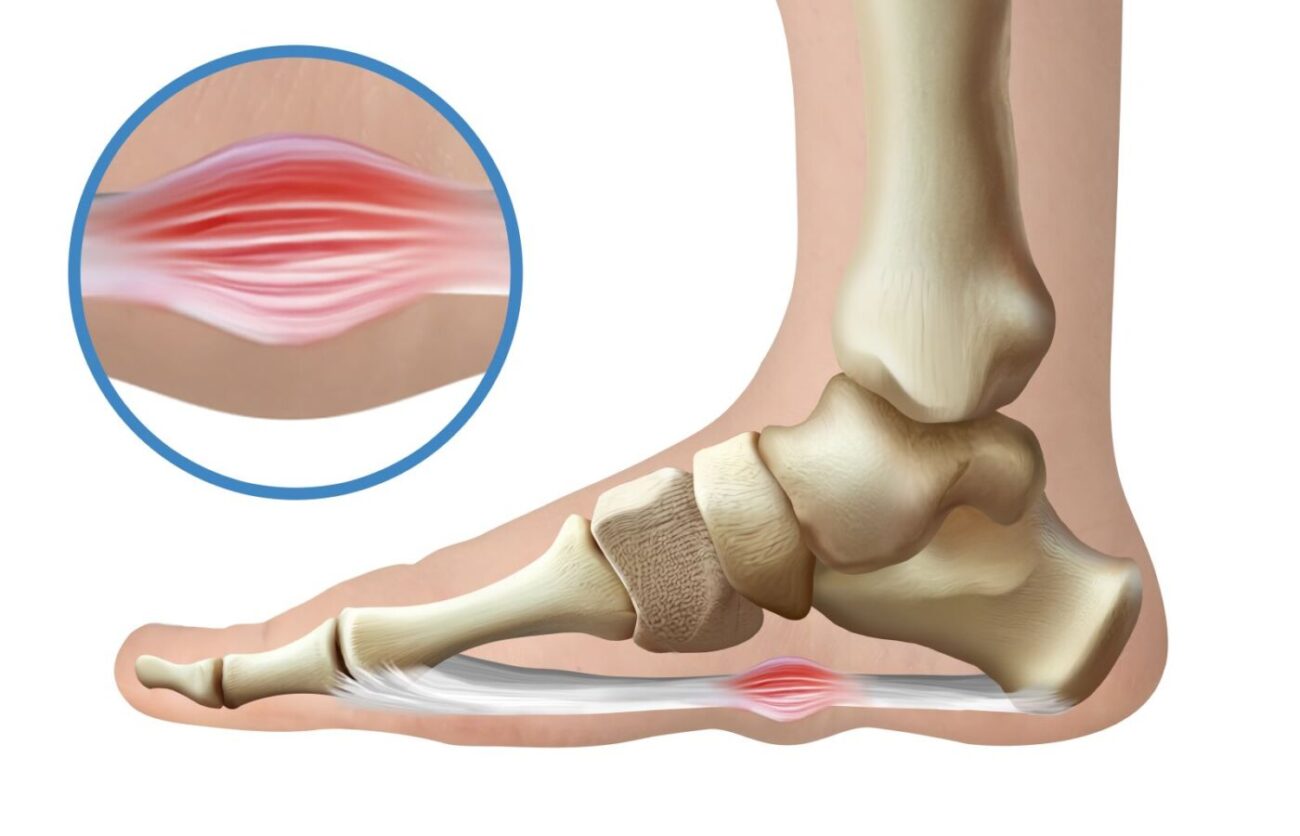
One of the top causes of heel pain is plantar fasciitis, which develops when the plantar fascia becomes strained, irritated, or inflamed. This band acts like a shock absorber and supports the arch of your foot. Over time, repeated strain can cause microtears that lead to chronic heel pain and stiffness.
Patients often report stabbing pain in the heel upon waking or after long periods of inactivity. While it might ease with movement, the pain often returns after activity like walking or standing.
Multiple lifestyle and structural factors contribute to plantar fasciitis rather than one specific cause. These include:
- Overuse or repetitive stress — A typical cause for runners and those in Twin Oaks, MO with jobs that involve long hours on their feet.
- Foot structure issues — Unusual foot shapes or biomechanics, such as overpronation, can overload the fascia.
- Wearing the wrong shoes — Old, unsupportive, or thin-soled footwear often contributes to plantar fasciitis.
- Tight muscles — Limited flexibility in your calves or Achilles tendon puts extra strain on the plantar fascia.
- Age and weight — Adults over 40 and individuals with a higher body weight are more prone to plantar fasciitis.
The good news? With the right combination of treatment and support, most people can recover without surgery—and physical therapy is one of the most effective ways to get lasting relief.
FAQs About Plantar Fasciitis
- How long does plantar fasciitis take to heal?
Recovery often begins within several weeks of treatment, but full resolution may take a few months depending on how severe the condition is. - Can plantar fasciitis go away on its own?
While it sometimes resolves over time, plantar fasciitis often persists without focused treatment. PT is a proven way to shorten recovery and avoid chronic pain. - What are the best shoes for plantar fasciitis?
The best footwear includes cushioned, stable shoes that support the arch and reduce heel pressure—steer clear of flats and old, unsupportive options. - Is walking or running okay with plantar fasciitis?
Light walking may help, but high-impact activities like running should be paused until pain improves. A PT can guide safe modifications and re-entry to exercise.
Signs You Might Need Plantar Fasciitis Treatment in Twin Oaks, MO
Heel pain can come from a few different sources, but certain signs strongly suggest plantar fasciitis. If you’re dealing with any of the symptoms below—especially if they’ve been lingering or getting worse—it’s time to consider treatment options that can bring you relief and prevent long-term issues.
- Sharp or stabbing heel pain that hits hardest with your first steps after sleep or long periods of sitting
- Pain that increases after standing or walking for a while, yet feels slightly better once you start moving
- Stiffness or tightness in your arch or heel that’s worse after sitting or lying down
- Heel pain that gradually worsens over time and begins to affect your ability to work, exercise, or enjoy daily life
Early symptoms of plantar fasciitis often come and go, but they tend to stick around or worsen if ignored. You can get started with a free injury screening at any of our convenient locations.
Our Twin Oaks, MO physical therapists will help you get to the root of your pain and build a treatment plan that works for your lifestyle and goals.
How Twin Oaks, MO Physical Therapy Can Help With Plantar Fasciitis
Treating plantar fasciitis without surgery is possible—and physical therapy is one of the best evidence-based options to relieve pain, improve mobility, and prevent re-injury.
Our Twin Oaks, MO physical therapists tailor every treatment plan to your individual needs, lifestyle, and activity level. Our therapists combine hands-on techniques, targeted exercises, and personalized education to support your recovery. Key goals include:
- Reducing inflammation and heel pain through strategic use of modalities and manual techniques
- Improving flexibility in tight areas like the calves, hamstrings, and Achilles tendon to reduce strain on the fascia
- Restoring strength and stability in key foot and ankle muscles so you can move confidently and pain-free
- Correcting movement patterns that place extra stress on your heel and arch over time
- Educating you on lifestyle adjustments, shoe selection, and home strategies to aid recovery and reduce future risk
Rather than taking a one-size-fits-all approach, our Twin Oaks, MO physical therapists design your program around what works for your body, lifestyle, and goals, and help you progress gradually and safely. Most patients begin to notice relief within 2–4 weeks of consistent therapy.
Physical Therapy Treatments for Plantar Fasciitis in St. Louis
Most plantar fasciitis cases improve with early, non-invasive treatment. In Twin Oaks, MO, our physical therapists apply time-tested strategies to relieve pain and help you move comfortably again.
- Stretching Exercises: Exercises such as towel stretches, calf stretches, and rolling a ball under the foot help loosen tight fascia and ease pain.
- Strengthening Exercises: We guide you through movements like toe curls with a towel, marble pickups, and resistance band ankle work to rebuild strength and improve foot stability.
- Manual Therapy: We use specific techniques—including myofascial release—to reduce tissue restrictions and improve mobility.
- Dry Needling: Often used for chronic muscle tension, this technique helps relieve deep trigger points linked to plantar fasciitis.
- Modalities: We tailor tools like ice massage, iontophoresis, or low-level laser therapy to your symptoms for added relief.
- Taping and Bracing: Techniques like Kinesio Taping® and night splints help reduce strain and relieve morning heel pain.
- Footwear and Orthotics: Your therapist can help you select supportive footwear or recommend custom or over-the-counter orthotic inserts to reduce strain during daily activity.
- Education and Activity Modification: We’ll coach you on how to avoid flare-ups, adjust daily habits, and choose safer exercises while recovering.
Consistency is key. Following your therapist’s plan between visits has a major impact on how well and how quickly you heal. Most people start to feel significantly better within 6–8 weeks and return to full activity within 12.
When to See a Physical Therapist for Plantar Fasciitis
Catching plantar fasciitis early is key to avoiding prolonged discomfort. Prompt physical therapy can reduce inflammation, improve movement, and speed up your return to activity.
You should consider seeing a physical therapist if you notice any of the following:
- Persistent heel pain for two weeks or more that doesn’t get better with typical at-home treatments
- Pain that disrupts normal routines like walking, working, or staying active
- Sharp heel pain that flares up with your first steps after resting or sleeping
- Heel pain that keeps progressing or begins to affect the surrounding muscles and tissues
At Axes, our Twin Oaks, MO therapists design your recovery plan based on how you live, move, and what you want to get back to doing. With individual support and expert care, we’ll help you stay active and pain-free long after treatment ends.
Why Choose Axes Physical Therapy for Plantar Fasciitis Treatment in Twin Oaks, MO?
At Axes, plantar fasciitis treatment in Twin Oaks, MO combines trusted clinical methods with a personal, local approach built around lasting results.
Why do so many Twin Oaks, MO patients turn to Axes for help with plantar fasciitis? Here’s what sets us apart:
- Experienced Twin Oaks, MO physical therapists with deep expertise in plantar fasciitis and related foot and ankle issues
- One-on-one attention and personalized therapy tailored to your condition, activity demands, and what you want to get back to
- Multiple clinics across Twin Oaks, MO and the St. Louis area make it easy to access care near where you live or work
- Locally owned and community focused, with a reputation for treating every patient like family
Thousands in the Twin Oaks, MO region have trusted us to help them walk, work, and move without pain again—and we’d love to help you, too. People often tell us they value our one-on-one care, welcoming environment, and lasting results.
Reach out to our Twin Oaks, MO physical therapy team and get started on a personalized plan for real, lasting relief.
Start Your Plantar Fasciitis Treatment in Twin Oaks, MO Today
Heel pain shouldn’t stop you from enjoying life. Our Twin Oaks, MO PT team will develop a custom plan to ease pain, improve movement, and help you return to your routine.
With convenient hours and clinics throughout the St. Louis area, getting started is simple. Call the clinic closest to you or schedule online to take the first step toward healing.