Tendonitis Treatment in Hoene Spring, MO | Axes Physical Therapy
Tendonitis treatment in Hoene Spring, MO. Tendonitis can greatly reduce our mobility and ability to enjoy the activities we love most. Fortunately, there are various treatment options available to manage tendonitis, promote healing, and return you to the type of life you’re used to. If you’re dealing with tendonitis, don’t wait to find relief. Qualified, professional Hoene Spring, MO physical therapists at Axes are here to create a personalized treatment plan to get you back on track. Contact the Axes location nearest you or contact us through our website to make an appointment in Hoene Spring, MO and start your path towards regaining your mobility and freedom.
If you’re experiencing any of the warning signs of tendonitis in Hoene Spring, MO, come see us for an injury screening. If your physician has already diagnosed you with tendonitis, ask them if physical therapy in Hoene Spring, MO is safe for you. Together with you and your doctor, we’ll form a team to focus on your healthy recovery and get you back to the activities you love.
Understanding Tendonitis
Tendonitis is a common injury that affects up to (50%. It is a condition that occurs when the tendons become inflamed or irritated, causing pain and discomfort. Tendons are the fibrous cords that attach muscles to bones, and they are extremely important for how we move in sports, other physical activities, and in daily life. Tendonitis can occur to any tendon, but it is most common in joints and extremities.
Identification of tendonitis requires an examination by a medical expert in Hoene Spring, MO to check for symptoms and evaluate range of motion. Imaging tests such as X-rays, ultrasound or MRI may be ordered to verify the diagnosis and extent of the condition.

Types of Tendonitis And Their Symptoms | Tendonitis Treatment in Hoene Spring, MO
Tendonitis can can develop in any tendon in the body, for a variety of reasons. The most common types of tendonitis our Hoene Spring, MO physical therapists see are:
Achilles Tendonitis
The Achilles tendon is the largest tendon in the body, and it attaches the calf muscles to the heel bone. Achilles tendonitis is often caught by runners and athletes who play sports that require jumping or sudden shifts in direction. It is also more common in people 30 or older and those who have flat feet.
Symptoms of Achilles tendonitis include pain and lack of motion in the back of your foot, especially after weaking up or after periods of inactivity. The pain may also be present during activity, and it can get worse over the long term if you don’t seek out treatment.
Patellar Tendonitis
The patellar tendon connects the kneecap to the front of your leg, and it helps in straightening the leg. Patellar tendonitis, also known as jumper’s knee, typically occurs in athletes who participate in sports that necessitate jumping, such as basketball or volleyball.
Symptoms of patellar tendonitis include pain and irritation around the patellar tendon, particularly during activity. The pain can also worsen when climbing stairs or after sitting for long periods.
Rotator Cuff Tendonitis
The rotator cuff is a group of four muscles that come together as tendons that keeps your upper arm bone in your shoulder socket. Rotator cuff tendonitis is a common condition often caught by people who participate in activities that require repetitive overhead arm movements, such as in swimming or painting.
Symptoms of rotator cuff tendonitis include soreness and weakness in the shoulder, especially when lifting the arm or reaching behind the back. The pain can also intensify in the evening or if you sleep on the injured shoulder.
De Quervain’s Tenosynovitis
De Quervain’s tenosynovitis is a condition that affects the tendons on the outer side of the wrist. Women are most likely to get it, and it is often caused by repetitive hand and wrist movements, such as when sewing or gardening.
Symptoms of De Quervain’s tenosynovitis include pain and swelling where the thumb meets the wrist, and difficulty making a fist.
Tennis Elbow
Tennis elbow, also called lateral epicondylitis, is the inflammation or microtearing of the tendons that bend your wrist backward away from your palm. It is most frequently due to repetitive wrist and arm movements, like playing tennis or using a screwdriver.
Symptoms of tennis elbow include pain and irritation on the outer part of the elbow, and a weak grip.
Golfer’s Elbow
Golfer’s elbow, also called medial epicondylitis, is a type of tendonitis that causes pain where the tendons of your forearm muscles attach to the bony bump on the inside of your elbow. This condition is common among golfers, which is how it got its name. However, it can also occur in individuals who engage in other activities that involve repetitive gripping or wrist flexion. The repeated motion and stress on the tendons in the forearm and elbow can cause small tears to form, leading to swelling and pain.
Symptoms of Golfer’s elbow include pain and tenderness on the inner side of the elbow, which can sometimes extend down to the forearm and wrist. Your elbow may also feel stiff or weak, making it difficult to grip objects or perform normal functions.
Tendonitis Treatment in Hoene Spring, MO: Are You at Risk?
There are a variety of factors that can contribute to you developing tendonitis, including:
- Repetitive motions and overuse — Repeating the same motion over and over, such as typing or painting, can cause strain on the tendons and cause tendonitis.
- Overuse — Kind of life repeated motions, overuse means prolonged use of a particular muscle or joint without proper rest or recovery. Overuse can occur from engaging in a specific activity or sport for an extended period without rest in between, or from abruptly increasing the intensity or duration of an activity before your body is ready for it.
- Age — Tendonitis is more common in people 40 or older as tendons become less flexible and strong as we age.
- Poor posture — Poor posture can put strain on the tendons and muscles in the neck, shoulders, and arms, increasing the risk of developing tendonitis.
- Lack of flexibility — Less physically active people who are not regularly stretching or engaging in activities that promote flexibility may be at higher risk of developing tendonitis.
- Trauma — Tendonitis can also occur because of a sudden injury or trauma to the affected area.
- Muscle imbalances — Unbalances can result from stronger muscles in some muscles than others, which puts more strain on the tendons.
- Inactivity — Being inactive for long periods of time can weaken the muscles and tendons and make them less flexible, increasing the risk of developing tendonitis.
- Medical conditions — Certain medical issues, for example rheumatoid arthritis and diabetes, can increase the likelihood of developing tendonitis.
- Medications — Certain medications, for example corticosteroids or fluoroquinolone antibiotics, can also increase the likelihood of developing tendonitis.
Although not all cases of tendonitis in Hoene Spring, MO can be prevented, you need to to be aware of these risk factors and try to improve any that may apply to you. This may mean taking frequent breaks during strenuous activities, studying appropriate technique, practicing correct posture, and staying active. Furthermore, getting treatment for any medical conditions related to tendonitis, or going to physical therapy, can also help to prevent its development.
Physical Therapy in Hoene Spring, MO for Tendonitis Treatment
Physical therapy is usually the first and best way tendonitis is treated. Your Hoene Spring, MO physical therapist will form a team with you and your physician to create a personalized exercise plan to help ease your pain and discomfort and keep your tendon from becoming more damaged. Here are some of the ways that physical therapy can help treat tendonitis:
- Stretching and strengthening exercises are vital for any tendonitis treatment plan. These exercises work to improve mobility and correct any muscle imbalances.
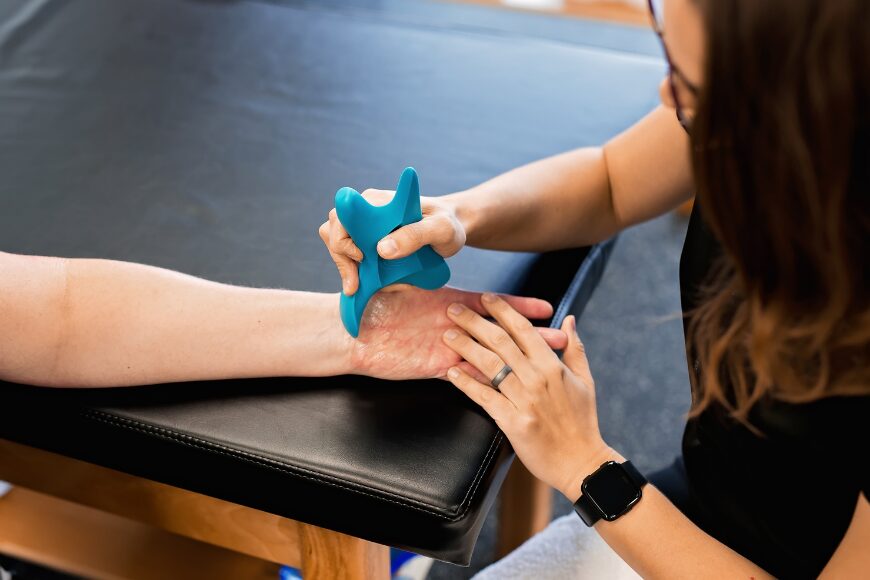
- In Manual physical therapy your therapist will use hands-on techniques to relieve pain and improve range of motion. Techniques include massage, joint mobilization, and soft tissue mobilization.
- Ultrasound therapy is a type of physical therapy that uses high-frequency sound waves to treat soft tissue injuries like tendonitis.
- Electrical stimulation is a type of physical therapy that uses electrical currents to stimulate the muscles and encourage healing.
- Heat and cold therapy are commonly used in physical therapy for tendonitis. Heat can help to increase blood flow, while cold can help to reduce swelling and relieve pain.
- Dry needling is refers to inserting tiny needles into specific trigger points in the muscles to alleviate pain and improve mobility. By making these micro tears, trigger point dry needling stimulates the body’s natural healing process.
- Activity modification as recommended by your physical therapist can reduce pressure on the affected tendon. This may involve making improvements to your technique or equipment, or taking breaks to rest the affected area.
- Education and lifestyle modifications from your physical therapist can provide education on correct ergonomics to help reduce the risk of re-injury. They may also provide guidance on lifestyle modifications such as nutrition, exercise, and proper posture to help promote healing.
The aim of physical therapy in the treatment of tendonitis is to reduce pain, inflammation, and stiffness while increasing range of motion and encouraging healing of the injured soft tissue to restore optimal function and mobility and get you back to what you love doing most. Beyond some of the above treatment modalities, we’ll also include injury prevention into your physical therapy program so you can stay active and stay healthy. Physical therapy can help reduce the risk of recurrence by addressing the root causes of tendonitis. Hoene Spring, MO physical therapists can identify areas of weakness and muscle imbalances that may be contributing to the condition, and design a personalized treatment plan aimed at correcting those issues.
How to Prepare For Your 1st Appointment With a Physical Therapist in Hoene Spring, MO
If you are seeking out physical therapy for tendonitis treatment in Hoene Spring, MO, there are several things you can do to prepare for your appointment:
- Collect information — Before your appointment, write down information about your symptoms, including when they started, how long you’ve had them, what makes them worse or provides relief. This will help your physical therapist to get a better sense of your injury and needs.
- Wear comfortable clothing — You may be asked to perform certain movements during your appointment, so it is important to wear comfortable clothing that allows to move around easily.
- Bring any relevant medical records — If you have seen a physician about your symptoms, bring the results with you to your appointment.
- Prepare questions — Write down any questions you can think of about your condition, treatment options, what you can do to prevent further injury, or even questions about the physical therapist themselves. This will help you to make the most out of your appointment, help your physical therapist understand you better, and ensure that all of your concerns are addressed.
- Be honest — Be honest with your physical therapist about your symptoms, lifestyle, and any previous injuries or medical conditions. This will help them to develop a treatment plan that is tailored to your specific needs and goals.
By taking these steps to prepare for your physical therapy in Hoene Spring, MO, you can help to ensure that you receive the best treatment for your tendonitis and get back to the activities you love safely and effectively.
Tips to Prevent Tendonitis in Hoene Spring, MO
While it’s not always possible to prevent tendonitis, there are several steps you can take to reduce your risk of developing the condition. Whether participating in a sport or just going about your daily life, here are some tips to help prevent tendonitis in Hoene Spring, MO:
- Warm up and cool down
- Use proper technique
- Gradually increase activity
- Take breaks and rest
- Stay hydrated
- Maintain a healthy lifestyle
Other services we offer in Hoene Spring, MO include:
- Runner's Knee Pain Treatment
- Frozen Shoulder Treatment
- Golfer's Elbow Treatment
- Trigger Finger Treatment
- Shoulder Pain Treatment
- Back Pain Treatment
- Neck Pain Treatment
- Physical Therapy Clinic
- Carpal Tunnel Syndrome Treatment
- Sciatica Treatment

Call Axes Physical Therapy For Tendonitis Treatment in Hoene Spring, MO
Tendonitis can be a frustrating and weakening condition, but with safe and effective treatments, you can regain optimal movement health. From rest and ice therapy to physical therapy and medications, there are various options available to manage tendonitis and reduce pain. Axes has seen many Hoene Spring, MO patients overcome tendonitis and return to their normal activities with an entirely new outlook on physical activity. If you’re experiencing tendonitis, don’t let it control your life. Contact Axes Physical Therapy in Hoene Spring, MO today to learn how we can help you get back to your active and pain-free lifestyle. Call the location nearest you or contact us online today.